One-on-one
Somebody books you
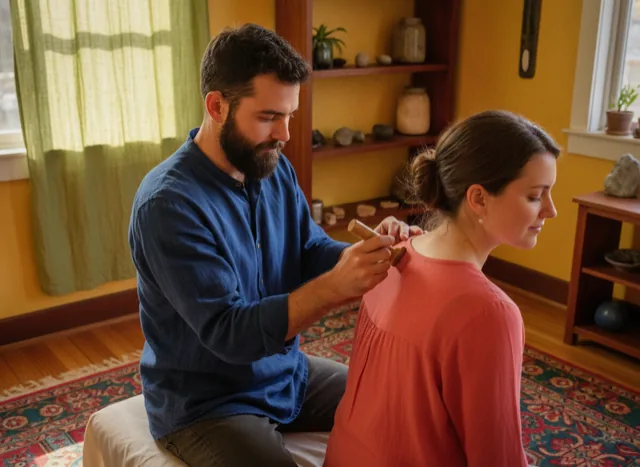
The slot belongs to one person and one client. Clinics, salons, advisers, tutors, surveyors. If a second client could not also take that hour, this is you.

There are 244 pages on this site written for one industry each, from nail salons to municipal courts. We wrote that many because that is how people search. The software does not change between them. All 244 sit on the same product, and three things decide whether it fits you, none of which is your job title.
Northgate
Open 09:00 – 18:00 ★★★★★4.9
Assessment · Tue 12 Aug
If you already know your industry is on the list, this page is not the one you want. Go straight to that page, which is written for your work rather than about it.
Not buy a thing, book a time. A slot on a Tuesday that is gone once it is taken, and that does not come back if nobody takes it. If what you sell is stock on a shelf, nothing here helps you and no page on this site will change that.
A person books a person, or a group signs up to something that runs anyway, or a room or a piece of kit goes out and comes back. Most businesses do one of the three and are surprised to find they do a second. The block below has the three side by side.
Picktime books the people who get booked in. It does not build the staff rota, so no shift patterns, no swaps and no timesheets. If your week is difficult because forty clients need slots, this fits. If it is difficult because eleven staff need shifts and two called in sick, buy for that instead and let the bookings follow it.
Service industry scheduling software is shopped for by industry and used by shape, which is why the label misleads. A physiotherapist and a driving instructor look like different businesses and book identically. A yoga studio and a physiotherapist look like neighbours and do not.
The slot belongs to one person and one client. Clinics, salons, advisers, tutors, surveyors. If a second client could not also take that hour, this is you.

The session runs at seven whether two come or twelve. What you are counting is places left, and who moves up when somebody drops out the night before.
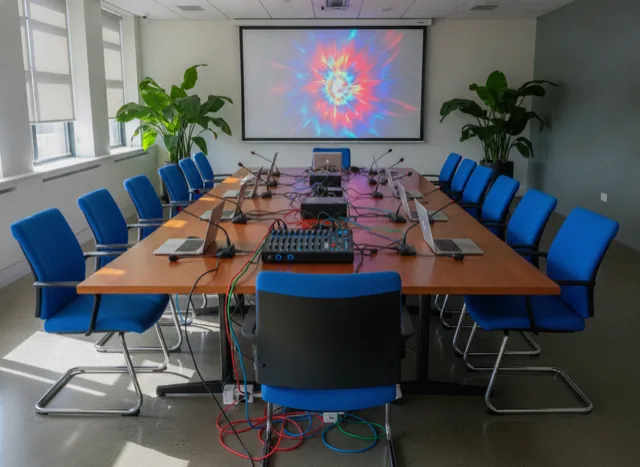
Nobody is being booked at all. A room, a bay, a van, a camera. It is either out or idle, and the number that matters is how often it is out.
Plenty of businesses are two of these at once. A gym runs classes and sells personal training; a clinic books clinicians and the rooms they need. Neither has to be forced into one shape, and that is not the norm: most online scheduling software for the service industry does one of the three properly and leaves you faking the other two.
Each one opens that part of the hub, where the individual pages are. If two of them look like you, read both. Plenty of businesses sit in two, and nothing about the software minds.
 Clinics · Advisers
The widest group by far. Anybody selling an hour of somebody’s time.
 Gyms · Studios
A set number of places, and a waitlist sitting behind them.
 Rooms · Hire
Nobody is booked. The question is how often the thing is out.
 Salons · Spas
Decided late, booked from a phone, and often for today.
 Venues · Photographers
One date, booked months out, and rarely twice by the same client.
 Tutors · Schools
A timetable that runs to term dates and repeats until it does not.
 Councils · Libraries
A public that books and volunteers who sign up, on one counter.
 Dance · Crafts
One room, one evening, and mostly the same faces each week.
Whichever question you are actually trying to answer, one of these is written for it.
No, and the gap is usually ours rather than yours. Where one is missing we cannot always tell you whether that is because nobody searches for it or because we have not got to it yet. Both are true of some of them. The three questions above are the real test, and they do not mention your industry at all. If you pass them, pick whichever of the 244 books most like you and read that one instead.
It does not build a staff rota. Shift patterns, swaps and timesheets are a different category of product, and a booking tool that also rostered would be a compromise at both. Picktime schedules the appointments, classes and resources that people book into, and expects your staffing to already be decided.
No, it is the normal case. A gym sells memberships to classes and hours with a trainer; a clinic books the clinician and the room together. Appointments, classes and resources sit on one calendar rather than in three systems, which is the point of having all three.
People and places. Team members, locations, and bookable things such as rooms and equipment are what separate one plan from the next. Taking more bookings never costs more, whatever industry you are in. The pricing page lists what each plan includes.
No. It has no end date and asks for no card, and it does not turn into something else after a fortnight. What separates it from the paid plans is scale, meaning how many people and places, plus automation such as reminders.
Whatever the industry is called. Free forever, no card, and the diary is the same diary on every plan.