Free scheduling software for architects that gives you back the hours you draw in

You are paid for the hours you spend designing and you spend a good many of them arranging when to meet. Picktime puts the consultation and the design review on your own booking page, keeps your studio days off it entirely, and lets a client who needs to move next Tuesday move it themselves, so the afternoon you set aside for drawing is still there at four o’clock. Collecting the brief on the booking form is on the paid plans.

  • Free forever plan
  • Your own booking page
  • No card required
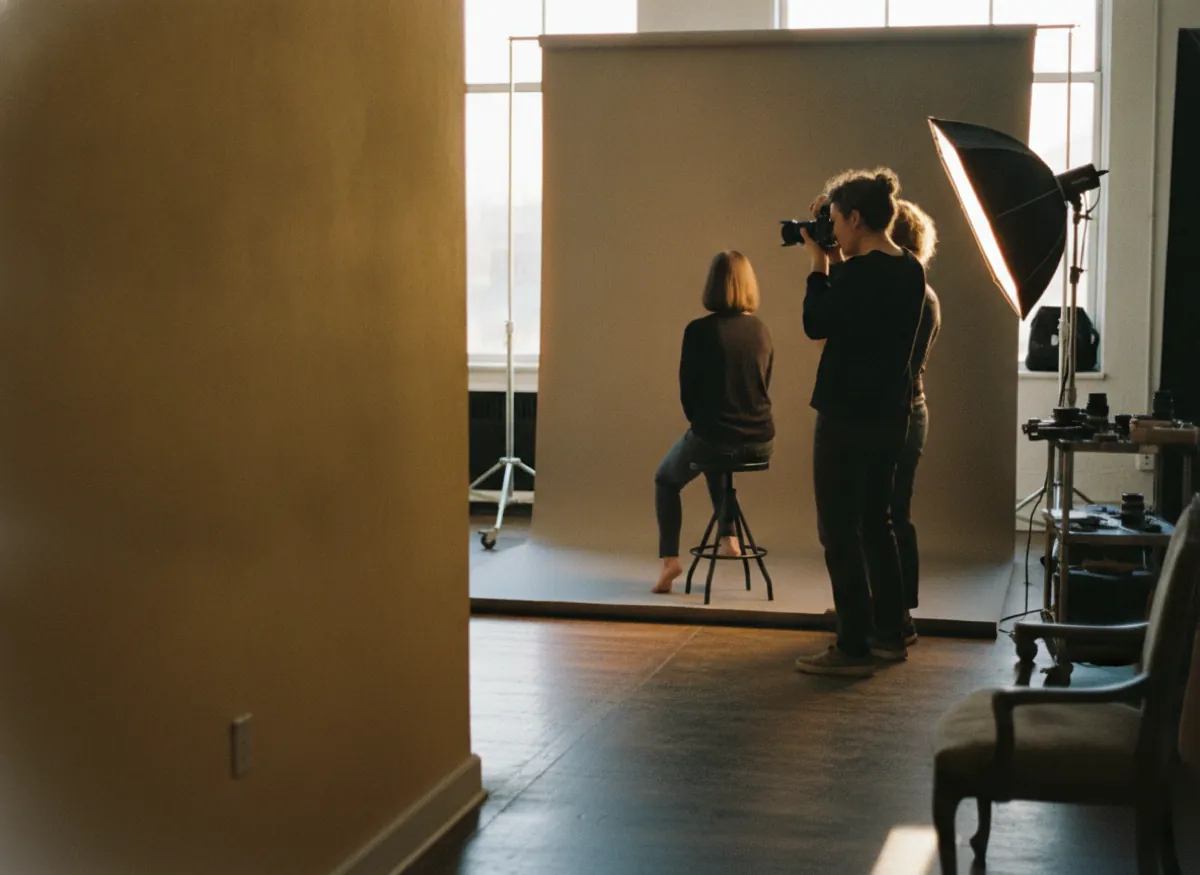
An architect at the drawing board working up an elevation with a scale rule, a client leaning in over the sheet

Blu StudioBook online

First consultation45m$0.00

Design review90m$180.00

Site visit2hBook

Next free9:15 AM11:00 AM4:30 PM

The brief

Arrived first

Asked on the booking form

Deposit

$45.00

25% on the design review

Thursday

Off the page

The day you draw in

How it works for you

Built for one architect and the meetings that eat the drawing day

Every one of these is an hour you would otherwise spend agreeing when to have an hour, on a week when the planning submission is due on Friday. Once there are four or five of you and a client wants the architect who is actually on their project, the arithmetic changes, and booking a multi-architect practice is the page that deals with it.

Consultations and reviews clients book from your own page

One link, listing what you actually offer and how long each takes. A client picks an afternoon you are genuinely free rather than proposing three you are not, and it is booked without a reply from you.

The Blu Studio booking page: a first consultation, a design review and a site visit, each with its length, all bookable without an email

The brief arrives before the meeting

Writing your own questions on the booking form is on the paid plans: the address, the budget bracket, whether there is a survey, whether it is listed. You open the appointment already knowing what the job is.

The brief for a first consultation as the client answered it on the booking form: the site address, the budget bracket, whether there is a survey and whether it is listed, read before you meet

Keep whole days off the page so the drawing gets done

Say which days take meetings and which do not. A studio day is simply never offered, so nobody has to be told no and the week does not fill up from the outside in.

Tuesday and Wednesday set to take meetings and Thursday kept as a studio day, so Thursday is never offered on the page

A separate meeting for each stage, with its own length

A concept sign-off is not a technical review and neither is a snag list. Each one is its own bookable thing, so an hour is never given to something that was always going to take two.

A separate bookable meeting for each stage, each with its own length: a concept sign-off of an hour already booked, and a planning pack, a technical review of two hours and a snag list open to book

Confirmations you did not have to write

The confirmation goes out when the client books, carrying a way to move it, and a reminder before the day is on the paid plans. A client who cannot come says so the night before rather than leaving you sitting in the studio.

A design review confirmation sent the moment the client booked, carrying a way to move or cancel it, and a reminder the day before, neither of them written by you
The first conversation

A new enquiry becomes an appointment, not a thread

Somebody who has just decided to extend their house does not want to negotiate a date; they want it settled. A link in your reply, on your website and in the footer of every drawing you issue turns the enquiry into a booked consultation while they are still reading about you. It also filters: the questions on the form are yours, so an enquiry about a job you do not take is visible before you have given it an afternoon.

An enquiry about a house extension turned into a booked first consultation at 20:50 from the link in your reply, confirmed for Tuesday, November 3 at 14:00, with the same link on your website and in the title block of every drawing you issue
When a client moves it

A moved review costs you a click, not an afternoon

Clients move design reviews more than they move anything else, usually because the structural engineer has not come back or the builder has. Every confirmation carries a link they use to pick another time from what is actually free, so it happens without an exchange of messages during the hour you had put aside for drawing. The slot they release goes back on the page, which matters on a week where somebody else is waiting for a date and you have been telling them you have nothing.

A Tuesday 14:00 design review moved by the client from the link in their confirmation, shown as available again in the studio diary and open to the next client on the booking page
Thursday, 6:05pm

The elevation is not finished and the day went on arranging things

Five past six. The elevation you set Thursday aside for is at the same stage it was at half nine, and the reason is sitting in your sent folder: eleven messages, four of them proposing times, three of them apologising for proposing times that had gone.

Picktime takes that off you entirely. The consultation and the review are on a page, the client picks from hours you are genuinely free, the brief arrives with the booking, and Thursday stays a studio day because Thursday was never offered.

Getting started

Your consultation bookable before you leave the studio

A first consultation, a concept review, a technical review and a site visit added, each with its own length and the design review fee where there is one
01

Add the meetings you offer and how long they run

A first consultation, a concept review, a technical review, a site visit, each with its length and its fee if it has one. Say what you want asked on the form before anybody books.

Meeting hours set for the days that take meetings, Thursday kept off the page as a studio day, and the weeks away from December 21 to January 1 added
02

Set the hours you will meet in, and the ones you will not

Put your working hours in, keep your studio days off the page entirely and add the weeks you are away. The page cannot offer what you have not opened.

The booking link added to the website, the email signature, the practice profile and a QR code on the back of a card, and a first consultation booked from the website at 20:50
03

Put the link where enquiries reach you

Your website, your email signature, your practice profile, or a QR code on the back of a card. They book, the confirmation goes out without you writing it, and on a paid plan the brief comes with it.

What you ask before the meeting

Ask the brief at booking so the first hour is a conversation

  • On the paid plans the booking form is yours to write, which on a first consultation is worth more than anything else on the page. Ask for the site address, the budget bracket, whether there is a measured survey, whether the building is listed, what the planning history is and what they have already been told by somebody else. The answers arrive attached to the appointment rather than in a separate inbox, so you open the booking and the job is already legible.
  • That changes what the hour is for. Instead of spending the first twenty minutes taking down facts, you spend it saying something useful about the facts, which is the part a client remembers when they decide who to appoint. It also shows you, before you have committed an afternoon, when an enquiry is for a job you do not do.
A first consultation on Tuesday, November 3 at 14:00 as you open it, with the booking-form answers attached: the site address, the budget bracket, the measured survey, whether it is listed, the planning history and what they have already been told
What it costs

Start free. Pay when there are more of you, not when there are more meetings.

The free plan is a plan, not a trial. There is no date at which it stops, no card to add, and nothing that quietly turns off in a fortnight.

Free, and it stays free

What one architect gets without paying

  • Your own booking page for consultations and reviews
  • Clients book, move and cancel it themselves
  • A confirmation by email the moment a meeting is booked
  • Every client, address and past meeting against the name

Start free

Works with what you use

It fits the calendar and the meeting tools you already work in

One calendar, not two

A booked consultation lands in the calendar you already keep, and a day you block out there stops being offered on your page, which is what stops a client taking the morning you had given to a site visit. On the paid plans a review happening on Zoom, Meet or Teams gets its link made with the booking and sent on the confirmation.

It works away from the board

It runs in a phone browser and there are iOS and Android apps, so on a site visit you can see who is booked in this afternoon and what they wrote on the form before you meet them.

Four architecture pages, and what each of them books

This page assumes one architect. You are the practice, the diary is yours, and the thing being protected is the day you draw in. Three others cover what happens when that stops being true, and they divide by what is being booked rather than by how big the office is.

When it is people, and there are several of them, go to client booking for an architecture practice. Five architects means five sets of site days, and the hard part is that a client wants the one who is actually on their project rather than the first free hour in the building.

When the person being booked works for the council and the second audience is a village hall, read planning consultation booking software. A pre-application meeting and a public consultation evening are not the same kind of thing at all: one is an hour that has to suit three diaries, the other is forty chairs and a number that has to stop.

And when the argument on a Tuesday is about the crit room rather than about anybody’s time, room and equipment booking for a studio is the page. The plotter, the model shop and the good meeting room behave like bookable objects with their own hours, which is a different job from booking the people who want them.

Questions

Scheduling for architects: common questions

Is there a free scheduling app for architects?

Yes. Picktime is free forever for one architect: your own booking page for consultations and reviews, clients moving their own appointments, an email confirmation on every booking and every client’s history in one place. No card and no end date. Your own brief questions on the form and reminders sit on the paid plans.

What software do most architects use for client meetings?

Most practices run drawing software, a project tool and then arrange meetings by email, which is the part that costs the drawing day. Picktime replaces only that last part, so it sits alongside whatever you draw and plan in.

Can I stop clients booking on my drawing days?

Yes, and it is the most useful setting on the page. A day you have not opened is never offered, so a studio day protects itself and nobody has to be told no.

Can I ask for the brief when they book?

Yes, on the paid plans. You write the booking form questions yourself (the site address, the budget bracket, whether there is a survey, whether it is listed), and the answers arrive attached to the appointment.

Can I charge for an initial consultation?

Yes. Set a fee on the consultation and take the whole thing or a percentage of it at booking, through PayPal on the free plan or Stripe or Square on a paid one, into your own account. A free introductory call and a paid consultation can sit on the same page.

Can a client move a design review without emailing me?

Yes. Every confirmation carries a link they use to move or cancel (as does every reminder, on the paid plans), and the hour they release goes back onto your page for the next person waiting for a date.

Does it manage the project as well as the meetings?

No. Picktime books appointments. It holds no drawing register, no programme and no task list. It is deliberately the diary half, and it is free to run alongside whatever you manage the job in.

Get Thursday back

Free forever for one architect. No card, no trial clock, and your consultations can be bookable before you leave tonight.