Free recording studio scheduling software that books the room and the engineer as one thing

A session is a room and an engineer, and neither is any use without the other. Picktime books them together, sells the blocks you actually sell, including four hours, a day and a lockout, and takes the deposit while somebody is booking, so a Thursday night that goes quiet is not six unpaid hours.

  • Free forever plan
  • Room and engineer booked together
  • No card required
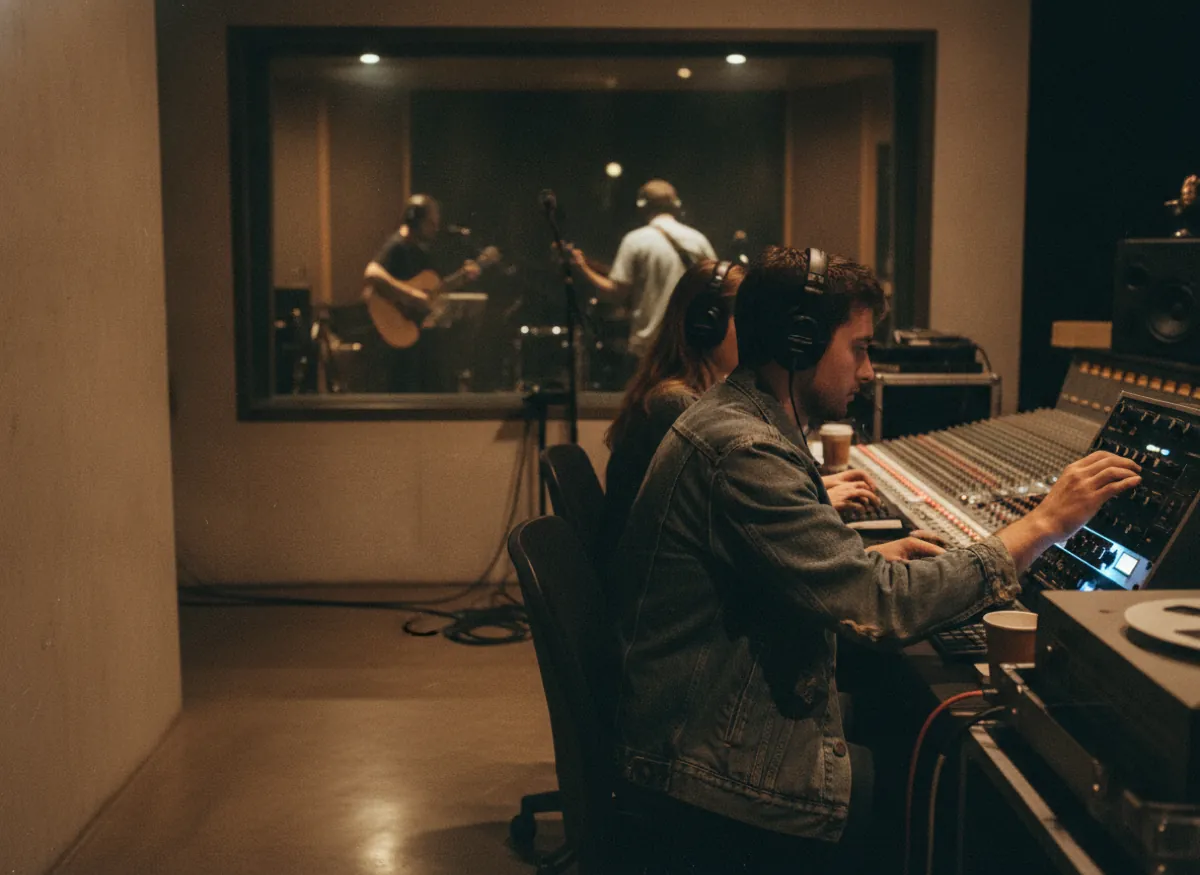
An engineer working the lit faders in the control room at night while a musician tracks in the live room through the glass

Blu StudioBook online

Half day4h · Live room$320.00

LockoutFull day · Studio A$800.00

Mix session2h · SamBook

Next free2:00 PM6:00 PM10:00 PM

Booked online

11:04 PM

A Thursday that was going quiet

Deposit

$80.00

25% of the half day, at booking

Room and engineer

Both free

Or the slot is not offered

How it works for you

Built for two rooms, three engineers and a session that ends at two

A studio diary is unusual in two ways: the unit is half a day rather than an hour, and the expensive half of every booking is a person.

No room is offered without an engineer free to run it

Sell the room and the person as one thing. When your only engineer who knows the desk is out on Friday, Friday is not on the page, rather than sold and then apologised for on Thursday night.

The Blu Studio booking page offering the live room with Sam on Thursday, November 19 and Saturday, November 21, and Friday, November 20 not offered because Sam is out

The blocks you actually sell, not an hourly grid

Set the lengths a studio is worth booking in: four hours, a day, a week of lockout. Nobody can take forty-five minutes of your live room at seven on a Friday and strand the evening around it.

The live room sold only as a four-hour half day, a full day from 10:00 to 22:00 or a week of lockout, with forty-five minutes on a Friday evening not offered

A deposit, and an invoice for the rest

Take a deposit at the moment of booking through a payment provider you connect, and raise an invoice for the balance from the same record. An empty room at eight on a Thursday costs the same as a full one.

A 25% deposit of $80 chosen for a $320 half day and paid at booking, and the $240 balance invoiced from the same record

A regular block that ends on a date

The producer who takes Wednesday afternoons books a block with a last date on it rather than a permanent claim on the room. When it ends the afternoons come back without anybody having the conversation.

On the paid plans, Wednesday afternoons in the live room: the producer booked on March 17 and 24, 2027, and from March 31 the afternoons back on the booking page
Two rooms, one live room

Rooms, booths and the gear that only exists once

A studio with a control room, a live room and a vocal booth is not three interchangeable spaces, and the piano, the vintage pre-amps and the drum kit are usually in one of them. Picktime books each space in its own right and lets you hold the equipment that has to come with a session, so a booking that needs the live room and the kit is only offered when both are free. If somebody books the whole place for a day, every room comes out of the diary in one booking rather than three separate ones you have to remember to make.

A Saturday, November 21 tracking day that needs the live room and the drum kit, offered because both are free and held in one booking, with the vocal booth left free for somebody else
Nine at night on a Tuesday

Hours that suit a studio, not an office

Studios work when everybody else has stopped, and most scheduling tools quietly assume nine to five. Set each room’s hours to what it actually runs, including afternoons and evenings on a weekday, all day Saturday, nothing before noon on a Sunday. Give each engineer their own availability on top, so the one who does not do Mondays is not offered on Mondays. A session that runs from six until midnight is one block on the calendar rather than something that has to be split across two days.

The live room’s Thursday, November 19 in the studio diary, booked from 18:00 and free from 22:00 until 02:00; the engineer Sam’s own hours of Tuesday to Saturday; and the 22:00 session open on the booking page
Thursday, 6:00pm

An artist in reception and an engineer who is not coming

Six on a Thursday. A band is in reception with a van outside, booked in for a four-hour tracking session that was agreed in a direct message three weeks ago. The engineer who was going to do it has it in his calendar as next Thursday.

The room is free. The desk is on. There is nobody in the building who can run a session, and nothing was ever paid.

Picktime books the room and the engineer as one thing, so a session with nobody to run it is never offered, and the deposit lands when the booking is made.

Getting started

Your rooms bookable before the weekend

The control room, live room and vocal booth added, each with its own hours and the lengths it is sold in
01

Add your rooms and the blocks you sell

Control room, live room, vocal booth. Give each one the hours it actually runs and the lengths you sell it in, whether that is four hours, a day or a lockout, so nothing awkward can be dropped into an evening.

Two engineers added with their own days and the rooms each can run, and the drum kit set to come with the live room
02

Add your engineers and what they cover

Add each engineer with their own availability and the rooms they can run, so a session is only offered when the room and a person are free together. Add the kit that has to come with a booking.

An $80 deposit set to hold a half day, the booking link added to the website’s Book Now button and the Instagram bio, and a half day booked from Instagram at 00:04
03

Set the deposit and share the link

Decide what has to be paid to hold a session, then put the booking link on your site behind a Book Now button and in your Instagram bio. An artist deciding at midnight books at midnight.

AI receptionist

Nobody takes a call from inside a session

A studio cannot answer the phone while it is recording, and the enquiries come in exactly then. Picktime’s AI receptionist answers around the clock, takes the caller through which room and how long they want, captures their details and turns it into a confirmed booking, against the same room and engineer availability the booking page uses, so it cannot sell a Thursday nobody can run. It transfers to a person when somebody needs one, and every call is transcribed into your dashboard, so an enquiry taken during a take is still readable afterwards.

A caller during a session asking for the live room for four hours, booked by the AI receptionist for Thursday 18:00 to 22:00 with the room and an engineer both free, then put through to a person, and the transcript saved to the dashboard
What it costs

Start free. Pay when there are more rooms and more engineers.

The free plan is a plan, not a trial. There is no date at which it stops, no card to add, and nothing that quietly turns off in a fortnight.

Free, and it stays free

What one studio gets without paying

  • Your own studio booking page
  • Rooms held with the engineer running them
  • The session lengths you actually sell
  • Email notifications on every booking

Start free

Works with what you use

It fits the site, the calendar and the payments you already use

Nothing gets typed in twice

A session lands in the calendar your engineers already have open, and the paid plans sync it both ways, so when it moves there it moves here, which is the whole of the problem when the room diary and the engineers’ diaries are separate documents. Put a Book Now button or a booking widget on your own site.

It runs from the control room

Picktime runs in a browser on a phone as well as a laptop, and there are iOS and Android apps, so you can see who is in tomorrow without leaving the control room.

Questions

Recording studio scheduling software: common questions

What is the best booking app for a recording studio?

The one thing worth insisting on is that the room and the engineer are a single booking. Most scheduling tools sell a room or sell a person; a studio session is both at once, and separating them is how a band ends up in reception with nobody to record them. Picktime books them together, free for a single studio.

Is there free scheduling software for a studio?

Yes. Picktime’s free plan gives you a studio booking page, rooms held with the engineer running them and the session lengths you actually sell, with no card and no end date. There are iOS and Android apps as well as the browser version.

What software do recording studios use for bookings?

Studios usually run two things: a management tool for projects, files and session notes, and something that gets the diary right. Picktime is the second. It handles who has which room, with which engineer, for how long, and whether it has been paid for.

Can I sell half days and lockouts rather than hours?

Yes. Set the lengths a room is worth booking in and only those are offered, so nobody takes forty-five minutes in the middle of an evening and makes the four hours either side unsellable.

Can I set late-night hours?

Yes. Each room keeps its own hours, so a live room that runs from noon until two in the morning is bookable from noon until two in the morning. A session that crosses midnight is one block rather than two.

Can a producer book the same afternoon every week?

Yes, as a block with a last date on it. The afternoons return to the diary when the block ends, without anybody having to have the conversation about whether it is still running.

Can I take a deposit and invoice the rest?

Yes, through a payment provider you connect. Take a deposit at the point of booking and raise an invoice for the balance from the same record, with the status against the session rather than in a separate spreadsheet.

What software do most recording studios use?

If you mean what they record on, that is a DAW, and Pro Tools, Logic and Ableton account for most of the rooms you will walk into. None of it has anything to say about who is in the live room on Thursday. The booking side is usually a wall calendar, a shared Google Calendar or a phone, which works until two engineers are quoting the same evening to two different bands. Picktime is for that second problem and does not touch the first.

What is the best free music scheduling software?

Two unrelated products answer to that name, and it is worth knowing which you are shopping for. Radio playout scheduling, the software that rotates tracks across a broadcast day, is its own category and nothing here does it. If you mean scheduling the sessions, the lessons or the rehearsals people book and pay for, Picktime’s free plan covers a booking page, rooms held with the person running them and the lengths you actually sell, with no card and no end date.

Never sell a session nobody can run

Free forever for one studio. No card, no trial clock, and your rooms can be bookable before the weekend.