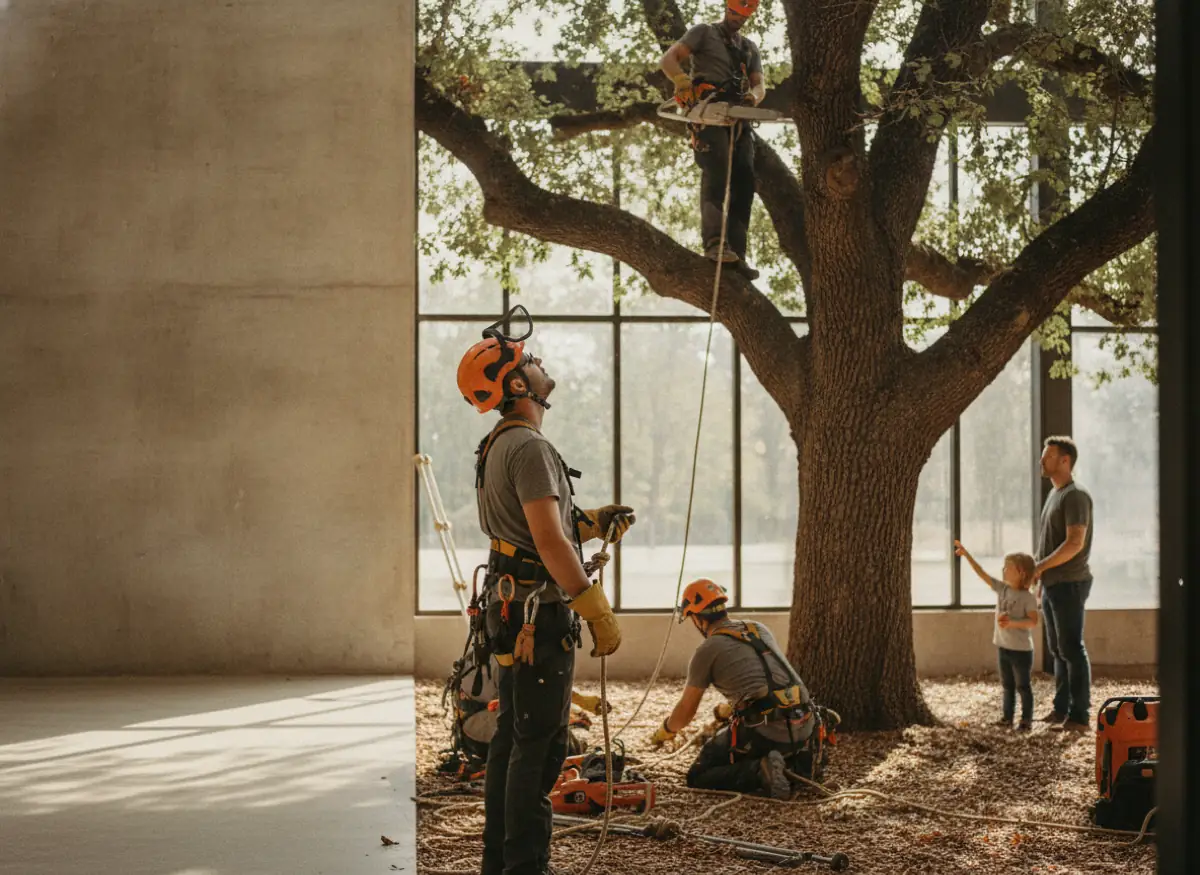
Homeowners book the assessment themselves
A survey is a short appointment at an address, which is exactly what a booking page is for. They pick a morning that suits, you arrive knowing what you are looking at, and the quote follows.
Nothing on a tree job can be priced until somebody has stood under it. Picktime lets the homeowner book that assessment from a page of your own, holds the climbing kit and the chipper against the work that follows, and tells the client the evening before you arrive so the gate is open and the cars are moved.

Blu ArborBook online
Tree assessment30m · At the address$45.00
Hedge cut3h · Chipper$320.00
Crown reductionA day · Climber and platformBook
Next free8:30 AM1:00 PMThu 8:00 AM
Booked online
8:20 AM
While you were up a tree
Deposit
$80.00
25% on the hedge cut
Chipper and climber
Both free
Or the day is not offered
An assessment, then the work, then the kit that both of them need. Three things that all have to agree with each other on one calendar.
A survey is a short appointment at an address, which is exactly what a booking page is for. They pick a morning that suits, you arrive knowing what you are looking at, and the quote follows.
A reduction that needs a chipper and a hired platform is only offered on a day both are free. The kit is part of the booking, so it cannot be promised to another job on the same Friday.
On the paid plans you write your own questions and they are answered when the appointment is made. Whether the tree is protected, whether a van can reach the back, whether there is parking. You find out before the day, not on it.
A confirmation on booking, and a reminder the night before on the paid plans, each carrying what you need from them: a clear driveway, an unlocked side gate, a neighbour warned about the noise.
A crown reduction is not a hedge cut and the people who can do them are not the same people. Give each climber and groundsman their own working hours, their own days off and only the services they are ticketed for, and the page will not offer a dismantling on a day the only climber is on a course. Everything anybody is booked into is on one calendar, colour-coded, so a Friday nobody is free is a Friday nobody can book.
Nobody climbs in forty miles an hour, and the whole of a Tuesday sometimes has to move. Drag the bookings to a new day on the calendar and every client is told; or let them move it themselves from the link in their confirmation when it is their side that changes. Either way the hour you give up goes straight back onto the crew’s availability, where the storm-damage call that came in that morning can take it.
Twenty past eight on the Saturday after a big blow. Eleven messages, every one of them urgent, every one of them a different address. You start ringing back and the first four do not answer because it is Saturday morning, and while you are on the phone to the fifth two more calls come in and go to voicemail as well.
Picktime answers the ones you cannot, books the assessments into the days you have actually got, and tells each caller the time in writing rather than leaving them to wonder whether you got the message.
A tree assessment, an emergency call-out, a hedge cut, a stump grind. Give each one a length and say whether it happens at the client’s address, so the page asks for one.
Climbers and groundsmen as team members with their own hours and their own tickets; the chipper, the stump grinder and any hired platform as bookable resources that get held with the job.
Access, parking, whether the tree is protected, whether the neighbour has been told. On the paid plans they go on as booking fields and the answers arrive attached to the appointment.
The busiest morning of an arborist’s year is the one nobody can answer a phone on. The Picktime AI receptionist has its own number, answers around the clock and takes several calls at the same time, so eleven people ringing about the same gale are all spoken to rather than queued into a voicemail box. It captures the caller’s name, number and address, guides them through what you offer, books the assessment straight into your calendar and hands over to you when somebody wants a person. Every call is transcribed, so a description of a leaning ash you half heard at eight in the morning is written down.
The free plan has no end date and no card behind it. What sits on it is listed on the pricing page; the fact that there is a free plan does not change.
An assessment lands in the Google or Outlook calendar the business already runs on, and the paid plans sync it both ways, so a Friday held for a hired platform is never offered to a homeowner. A deposit on a big dismantle can be taken through PayPal at the moment the work is booked, or through Stripe or Square on the paid ones.
Picktime opens in a browser on a phone as well as a laptop, and there are iOS and Android apps, so the next address and the client’s number are in a pocket rather than on a clipboard in the cab.
Yes. Picktime has a free forever plan with no card and no end date: your own booking page, an online calendar, clients booking and moving their own assessments, and email notifications. What you pay for is more people on the account.
Yes. An assessment is a short appointment at an address, so it books like any other. They pick a morning from the times you have left open, answer whatever you ask them, and the confirmation goes out immediately.
It depends what you want it to do. If the job is getting assessments and work into a diary that the client can see, confirm and move for themselves, Picktime does that and the free plan costs nothing to try.
Yes. Add the chipper, the stump grinder or a hired platform as a bookable resource. Work that needs one is only offered when it is free, and the kit is held with the booking.
Yes, on the paid plans. Write your own booking questions (a preservation order, rear access, parking, who the neighbour is), and the answers arrive attached to the appointment rather than in a separate inbox.
Yes. Every team member gets a login, their own working hours and days off, and only the services they are qualified for, so a dismantle is never offered on a day the climber is away.
Yes. A confirmation goes out when the booking is made, and on the paid plans a reminder before the day, with wording you write yourself: clear the driveway, unlock the side gate, warn next door about the noise.
Popularity is measured across every trade at once, which makes it useless to a tree firm. Almost none of the widely used tools can hold a chipper, a platform and a climber against the same morning, and that is the thing that decides whether the diary works for you. Ask which of them books kit as well as people, and the list gets short quickly.
We are not going to print a rate, because the honest ones vary by region, by the tree and by whether the crew can get a chipper down the side of the house. That is also why this page exists: a tree cannot be priced from a phone call, so the first thing to sell is the assessment rather than the job. Get somebody standing under it in the diary and the quote writes itself afterwards.
Picktime is not one, and the difference is worth being clear about. It keeps a client record with every visit attached, holds what was asked at booking, and raises an invoice off the job, which covers a good deal of what small firms want a CRM for. What it has no part of is a sales pipeline with stages, a quote builder or any marketing, so if that is the shortfall, buy for it and let the diary sit alongside.
Mostly job management products that bundle quoting, scheduling and invoicing for crews working several properties a day. Picktime overlaps the middle of that and not the ends: bookings, the kit each job needs, client history and invoices off the booking. It plans no routes between addresses and holds no arrival windows, so a firm doing eight gardens a day with two vans usually wants the field service kind instead.
Quote visits The design consultation and the standing weekly slot, kept apart on one calendar.
See landscaping scheduling
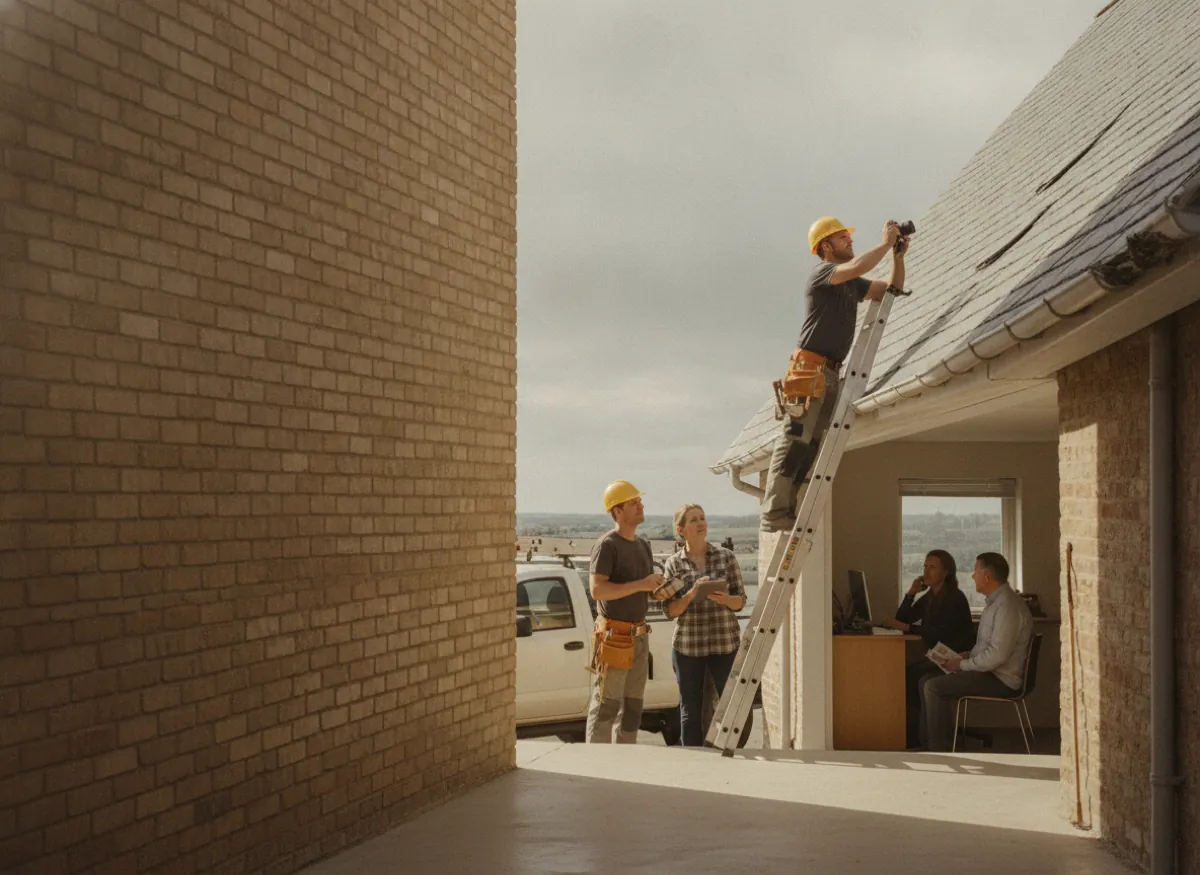
Inspections Roof inspections booked into the backlog a storm leaves behind.
See roofing scheduling
Call-outs A first inspection and the treatment visits that follow it, booked in one run.
See pest control schedulingFree forever for a single crew. No card, no trial clock, and your booking page can be taking assessments this afternoon.