
Key Takeaways:
- Government scheduling software helps reduce long queues and uncertain wait times. Citizens can book a specific time slot before they arrive, helping offices manage daily foot traffic more smoothly.
- It eliminates repetitive scheduling jobs for government officials. Instead of answering the same questions about availability, documents, locations, or rescheduling, staff can rely on online booking pages, reminders, and AI receptionist support.
- Different departments can manage different appointment types in one place. DMV offices, permit departments, public health clinics, courts, and public facilities can all create workflows that match their service needs.
- Citizens get more flexible access to public services. With 24/7 online booking and AI receptionist support, citizens do not have to wait for office hours to schedule, reschedule, or get basic appointment guidance.
Government offices handle many responsibilities every day. Managing DMV permit applications, public health visits, and getting support from the right department. When you use old-school methods to manage administrative tasks, it may lead to some scheduling mistakes. In the beginning, you may overlook these problems, but they can pile up all together, and make your schedule scattered.
Many government officials have started using advanced tools to solve these problems. But using different tools for different jobs makes it even more difficult to keep up with schedules. That’s where government scheduling software manages appointments, team availability, reminders, and citizen requests in one place. The software addresses all scheduling problems and handles every aspect of government agencies.
In this blog, we’ll discuss how government scheduling software solves the traditional scheduling challenges. But before diving into solutions, let’s explore the major scheduling challenges. Let’s begin.
Table of Contents
Major Scheduling Challenges Government Agencies Face
Managing different government departments may seem simple. Some appointments are easy while others need time, extra paperwork, or support from the right government official. But most of the time, government departments don’t have a medium, and citizens can see all the requirements upfront. It creates confusion, complicates the booking process, and increases wait times for citizens.
Regardless of the government department, manual scheduling leads to mistakes, which can completely disrupt the workflow. It can also result in double-booked slots, no-shows, overlapping bookings, and back-and-forth, hectic communication. Therefore, this slows the team down and makes it harder for them to focus on the work that needs their attention.
1. Long Queues And Uncertain Wait Times
One of the biggest challenges for the government agencies is the big queue. With a structured schedule, all citizens will gather for the same appointment. This kind of situation is highly noticeable in DMV offices, licensing centers, permit offices, public health clinics, and local administrative counters. For appointment-based government services, residents choose a time before they arrive, and create huge queues. It not only overburdened your officials but also disrupted a well-planned schedule. If citizens have the opportunity to book their slot in advance, they will only arrive on time for their assigned appointment slots.
2. Too Many Calls For Routine Booking Questions
Front desk officials often spend valuable time and effort doing repetitive jobs. Every citizen often asks the same kind of questions.
“What time slots are available?”
“Can I reschedule?”
“Which documents should I bring?”
“Is this the right department?”
“Can I speak to the same officer as last time?”
“Do I need to pay before the visit?”
Of course, these questions are valid and part of your workflow. But when the government officials are busy handling these questions, their focus can shift away from the main task.
Note: Adding an AI scheduling assistant or an online booking page can reduce that pressure. It supports 24/7 booking support, gives clear instructions, and responds to all customer questions. Therefore, residents receive basic information about their appointment, and officials can focus on more complex questions.
3. Manual Scheduling Creates Avoidable Errors
Manual scheduling approaches might have worked earlier when the office was small and demand was low. As everyone starts using advanced technologies to adapt to today’s generation, government offices should also use one to automate their appointment scheduling process. Otherwise, manual scheduling can make it more difficult for officials to manage repetitive jobs. It can also lead to miscommunication and scheduling errors, and frustration for team members. By bringing automation into your scheduling, you can reduce these errors by showing real-time availability, service duration, assigned staff, and booking rules in one place.
4. Today’s Citizens Need More Flexibility
Citizens compare public services with the digital experiences they use every day. They may book medical appointments online, schedule bank consultations, reserve transport, and manage deliveries from their phones. When government services still require a phone call during limited office hours, the experience can feel outdated. This does not mean every citizen wants a fully digital process. Some still need phone support, walk-in help, or assistance from staff. That is why government agencies should think in terms of access, not just automation.
What Is Government Scheduling Software?
Government appointment scheduling software is an online scheduling tool that makes scheduling much easier for public offices. It is specially designed to manage bookings, team availability, collect citizen details, and organize your schedules. Unlike traditional scheduling approaches, you don’t have to switch between different tools to manage your admin jobs. It centralizes all powerful features and integrations in one place. Moreover, citizens can use an online booking page to check availability, locations, the official names, and book a slot that is convenient for them. On the other hand, government staff can manage those bookings from a shared calendar and adjust availability when schedules change.
The main goal of government scheduling software is to make scheduling easier for both the citizens and officials. Here’s what it can offer:
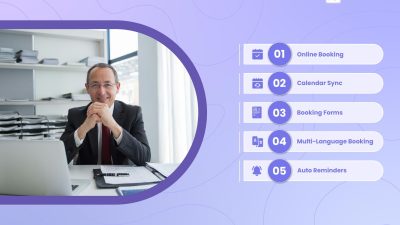
- Online Booking Page: Let citizens reserve appointments through a professional booking page. You can add your booking rules and guidance and ensure they stay prepared before arriving for their appointments. It lets you add a booking widget to your website and share your booking link on Google Business Profile, so people can choose a time that works for them in just a few clicks.
- Two-Way Calendar Sync: Officials can connect their personal and professional calendars. This helps your agencies avoid double bookings and keeps your personal and work schedules updated across all platforms.
- Automated Reminders: By sending automated emails and SMS reminders to your citizens, you can remind them about their appointments. It ensures they arrive for their appointments on time.
- Virtual Meeting Tools: For remote consultations, you can also integrate advanced video conferencing tools, such as Zoom, Google Meet, Microsoft Teams, and JitsiMeet. Citizens will receive their meeting links automatically, which makes virtual appointments easier to manage.
- Unique Booking Links and QR Codes: Government scheduling tools provide unique booking links or QR codes so citizens can book quickly. These are useful for websites, flyers, cards, front desks, and social media promotions.
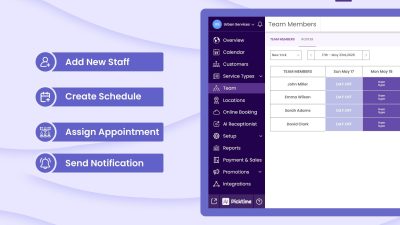
- Team Scheduling Features: For government officials, you can manage working hours, assign appointments, and give individual permissions based on their work. Each team member can have their own profile, schedule, services, and booking rules to keep operations organized.
Advantages of Using Government Scheduling Software
Picktime is one of the best government scheduling software solutions, offering a comprehensive set of features tailored to meet your unique scheduling needs. Below are the top scheduling advantages you get from Picktime software:
1. Streamlined Appointment Schedules For Citizens
With government appointment scheduling software, your citizens get a well-planned time slot to visit rather than leaving them to guess when the office may be less busy. When citizens see a clear view of available times, team members, and slot durations, they get a freedom to choose their own slot. You can showcase all your offerings with your own booking instructions and guidelines. A streamlined scheduling process gives government offices better appointment management that suits their increasing demand.
For example, if you run a DMV office, you can add all services, like separate license renewals, driving tests, REAL ID appointments, and document corrections into different appointment types. After each booking, they will receive an automated email confirmation and a reminder for their scheduled appointment.
2. Allow Booking Outside Office hours
Instead of citizens waiting for office hours to call or book appointments, Picktime’s government scheduling software offers 24/7 booking support. It offers an online booking page and an AI receptionist that helps your citizens to schedule appointments around the clock. Regardless of the time, your citizens can book. If they are booking from the online booking page, it automatically detects the citizen’s time zone and shows the slots based on their local time.
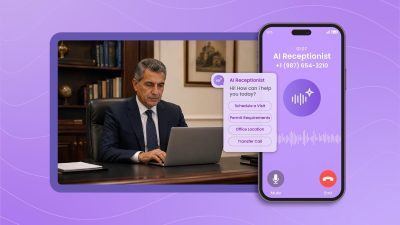
Whenever citizens call an AI receptionist, they check your calendar, suggest available time slots, tell all booking guidelines, and help them to book right away. For government services, this reduces missed calls, improves productivity, and gives team members more control over when and how they engage with public offices.
3. Spend Less Time On Repetitive Admin Work
Front-desk teams are often the first point of contact for citizens. Their work matters because they shape the first impression of the office. But when staff spend the entire day managing routine scheduling questions, they have less time for complex cases, document checks, citizen support, and internal coordination.
Scheduling software reduces this pressure by automating confirmations, reminders, cancellations, rescheduling, and basic appointment instructions. Staff still stay involved where needed, but the repetitive parts no longer consume the entire day.
4. Manage Customer Details
A modern scheduling software collects the right information before the citizen arrives. For example, to renew the licence details or make a new licence, your officials need crucial citizen details. Solution? Picktime lets you collect all customer information by adding additional customer fields (online booking forms) to the online booking page. It can capture key details like customer name, address, email ID, and phone number. Once booking is done, all these details will be automatically saved in your customer’s tab.
5. Provides Better Visibility for Managers
Without reporting, managers may know the office feels busy, but they may not know why. Is one department receiving more appointments than expected? Are citizens missing appointments at a specific location? Do some services not perform as well as planned? Which team members are overloaded on certain days? How many appointments were canceled in a month?
Scheduling reports helps answer these questions. Managers can see booking volume, service demand, no-show trends, staff workload, and peak hours. These insights make it easier to improve operations without relying only on guesswork.
How Government Scheduling Software Works for Different Public Offices
Different government offices require different features to fulfil their scheduling needs. Picktime’s government scheduling software supports multiple appointment types, service rules, staff calendars, and citizen journeys. It means each government department gets a structured workflow that saves time while keeping everything connected in one place.
1. DMV and Licensing offices
DMV and licensing offices handle high appointment volumes. For example, citizens may need license renewals, written tests, vehicle registrations, title transfers, and address updates. Each service takes a different amount of time and may require different documents. If the office uses one generic appointment type, staff may be underprepared, and citizens may arrive without the right paperwork.
With online scheduling, the DMV can list each service separately. Citizens choose the correct appointment type, review document requirements, and receive reminders before the visit. A practical workflow might look like this: A citizen selects “license renewal.” The booking page shows available locations and time slots. Moreover, the confirmation email includes required ID documents, payment details, and arrival instructions. A reminder will be automatically sent the day before the visit with a rescheduling link. If the citizen cannot make for the appointment, they can cancel early and open the slot for someone else. This makes the appointment easier to manage and reduces avoidable counter delays.
2. Permit, Planning, and Zoning Departments
Permit offices often deal with complex appointments. A resident may need help with a building permit, land-use question, inspection scheduling, business signage approval, or zoning clarification. These appointments require context. Staff need to know the property address, project type, documents submitted, and the reason for the meeting.
A scheduling system can collect that information before the appointment. It can also route the booking to the right staff member based on service type. For example, a residential renovation consultation may go to one officer, while a commercial zoning review may go to another. This prevents citizens from being passed between departments after they arrive.
3. Public Health offices
Public health departments may schedule vaccinations, wellness clinics, benefit enrollment support, inspection appointments, community outreach sessions, or health consultations. These offices often deal with sensitive information, high public demand, and time-sensitive services. Clear scheduling helps reduce crowded waiting areas and improves appointment preparation.
A public health office can use booking forms to collect basic intake details, send reminders, and provide pre-visit instructions. If an appointment requires documents, consent forms, or eligibility information, those details can be included in the confirmation email. This gives citizens a smoother experience and helps staff use their appointment time more effectively.
4. Social Services and Housing Departments
Social service appointments often involve citizens who are already dealing with stress. They may need support with housing, benefits, employment, family services, or emergency assistance. In these cases, scheduling should feel clear and respectful. Citizens should know where to go, who they are meeting, what information they need, and how to reschedule if something changes.
A structured system can help caseworkers manage their availability while keeping appointment details organized. It can also reduce missed visits by sending reminders and allowing easy rescheduling. For managers, reports can show service demand across programs, helping them understand where more staff coverage may be needed.
5. Courts, Legal Aid, and Administrative Hearings
Court-related appointments need careful handling because missed appointments can have serious consequences. Picktime’s government scheduling software can help offices manage legal aid consultations, probation check-ins, administrative hearings, document review appointments, and mediation sessions. Reminders can include time, location, required documents, security instructions, and rescheduling rules.
Research says automated text reminders for court dates have been found to reduce warrants issued for missed court dates by around 20% in the studied group. This shows how timely reminders can support attendance in high-stakes public service settings. The goal is not only operational efficiency. It is also helping citizens avoid preventable consequences caused by missed or misunderstood appointments.
6. Workforce Development and Employment Offices
Workforce offices may schedule job coaching, training enrollment, resume reviews, employer meetings, skills assessments, or benefit-related appointments. These services often involve repeat visits. A citizen may need an intake appointment, a follow-up session, and a training consultation. Scheduling software can manage recurring appointments and send appointment reminders. Government officials can also use booking history to understand previous interactions and prepare for the next meeting. This creates a more connected experience for citizens.
7. Public facilities and community services
Government offices also manage public facilities such as community halls, parks, sports courts, meeting rooms, and event spaces. Here, scheduling software can manage bookings by space, time, capacity, and staff availability. It can also support online payments, deposit collection, usage rules, and confirmation emails.
For example, a community center can list rooms, available time slots, rental rules, and payment requirements. Residents can book without calling the office repeatedly, while staff can approve or manage bookings from one calendar.
How Picktime Software Helps Government Agencies
Picktime helps government agencies manage every citizen appointment from one simple dashboard. With Picktime, citizens can visit your online booking page, see the available services, choose a date and time that works for them, and book an appointment without calling the office. Instead of citizens calling you to know if their booking is confirmed or not, Picktime sends confirmation messages after each booking. If they want to reschedule their scheduled appointment, you can also add a rescheduling link, helping reduce no-shows and last-minute confusion.
If you run multiple government offices, Picktime gives your agency a competitive edge to manage multiple locations, services, and team members under one account. To enhance your citizen experience, encourage them to book from the online booking page, send reminders, and add all essential customer and booking additional fields to gather important details. Whether it’s about financial support, DMV license booking, immigration, & travel related, customers can view all booking guidelines on the booking page.
To automate your entire workflow, Picktime allows admins to connect their preferred third-party apps, such as CRM tools, calendars, video conferencing tools, and payment systems. While government officials can focus on appointments, Picktime runs scheduling on autopilot.
Not every government appointment needs an in-person visit. Some consultations can happen online, especially when citizens need guidance, document clarification, or follow-up discussions. Picktime supports virtual appointments through integrations with video meeting tools. This can help government offices serve citizens who live far away, have mobility limitations, or cannot easily travel during office hours.
Conclusion
The right government scheduling software is crucial for organized and efficient schedules. By streamlining day-to-day operations, Picktime’s government scheduling software empowers citizens to book services on their own and teams to manage services, working hours, and more. Government officials spend less time on repetitive administrative jobs, in-depth reports, and checking overviews. Solutions like Picktime give government agencies flexibility and convenience for citizens to book appointments whenever it’s convenient for them.
It offers multiple benefits, ensuring public offices reduce no-shows, manage demand, and create a smoother experience for the people they serve. Features, including AI receptionist, an online booking page, client management tools, team scheduling, virtual meetings, and reports, can address all scheduling problems in one single dashboard. Picktime is easy for government teams to set up and practical for everyday appointment handling.
Try Picktime government scheduling software today and give citizens a simple way to schedule appointments while helping your staff stay organized.
FAQ’s
1. How does government scheduling software help reduce long wait times?
Picktime’s government scheduling software helps citizens book appointments in advance rather than waiting for office hours. It shows available slots, service list, and lets your citizens book appointments without your official help.
2. How do AI receptionists work for government agencies to handle fewer routine calls?
Yes. Picktime’s AI receptionist helps citizens by answering all booking-related questions and allows them to book, reschedule, or cancel appointments anytime. This gives government officials more time to handle other high-priority cases and provide in-person support.
3. How does Picktime help reduce no-shows for government appointments?
Picktime can send email and SMS reminders at the pre-set time for the appointment. These automated reminders help citizens remember the date, time, location, required documents, and rescheduling options, and plan their schedules.
4. Can government agencies collect citizen information before the appointment?
Yes. Picktime lets agencies add custom booking fields to collect important details during the booking process. For example, a permit office can ask for property details, a health clinic can collect basic intake information, and a housing department can request case references.