
Key Takeaways:
- Managing embassy appointments is not only about filling available time slots. It is about making sure the right staff member is available, the right service is selected, and applicants receive clear instructions before their visit.
- A shared scheduling calendar gives admins better visibility into daily workloads, overloaded staff members, busy service types, and appointment gaps.
- Features like two-way calendar sync, time-off blocking, buffer time, role-based access, and automated reminders help embassy teams avoid double bookings and last-minute confusion.
- Picktime helps embassies and consulates simplify team scheduling, manage appointments more clearly, and create a smoother experience for both staff and applicants.
For embassies and consulates, efficient team management involves many responsibilities, from assigning the right staff to managing appointments without conflicts. It includes handling multiple citizen schedules, virtual consultations, availability, and working hours. When consulate officials use manual scheduling, they may miss updates or forget requests, which may create frustration for citizens.
When your team relies on old-school methods to accomplish all these scheduling and responsibilities, small changes can easily turn into bigger scheduling problems. That’s where embassy software shifts the whole scheduling process for official admins. The embassy scheduling software offers multiple team management features to reduce manual scheduling conflicts, improve citizen experience, and boost productivity.
Beyond scheduling, our software offers multiple features that help officials manage appointments, availability, reminders, and payments in one place. In this blog, we’ll look at how embassy scheduling software helps embassies and consulates simplify daily operations.
Table of Contents
Key Scheduling Conflicts That Slow Teams Down
Most of the time, the embassy team faces appointment conflicts when they don’t have the same information. When team members rely on their personal calendars to remember their upcoming schedules, scheduling mishaps can happen in your embassy and consulates.
One of the major scheduling problems embassy and consulate teams face is double booking. If embassies don’t provide any simplified communication process, citizens might book a time slot that is already booked. One double booking or overlapping commitment can disrupt their structured schedule, especially when applicants are in line just to get their visa or passport.
Many citizens book slots to meet consular personnel when they are on break, off-hours, and more. When there are easier ways to display your staff’s available time, citizens can choose the right appointments. With all-in-one scheduling software for embassies, your embassy appointments and team schedules stay organized without scheduling mistakes.
A Centralized Embassy Software that Simplifies Team Scheduling
1. Gives Everyone One Shared Scheduling Interface
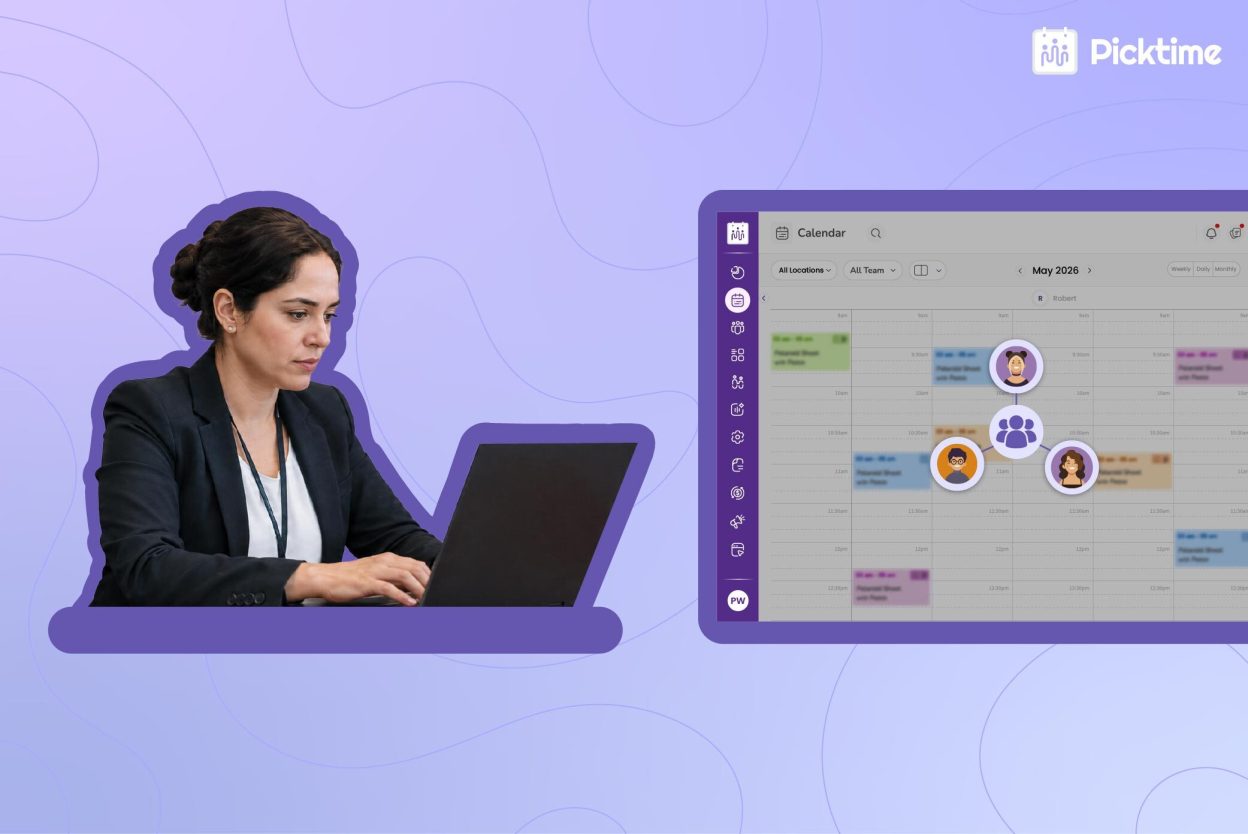
An all-in-one embassy appointment system gives teams one reliable place to manage appointments. Rather than switching between different tools, personal calendars, and team members’ spreadsheets, staff members can view the full schedule from one platform. This unified scheduling platform allows embassy admins to understand what is happening across the office. As a result, they can see the overall business revenue, reports, recent booking activities, calendars, and which appointments are virtual, and where schedule gaps still exist.
For example, regardless of the number of your team members, you can assign working hours, breaks, and days off to each staff member based on the services they handle. They can also view their roster and edit their schedules according to the day-to-day scheduling requirements. If one officer has too many back-to-back appointments, the team can adjust the schedule before the day becomes hard to manage.
2. Efficient Task Management Reduces Wrong Bookings
One of the most useful team scheduling features is service-based staff assignment. Embassy software, like Picktime, makes managing task distribution easier for admins. This means all appointments are evenly distributed among embassy personnel, ensuring that everyone gets a fair share of tasks. It makes sure that if one person is overburdened with work, the appointment is given to those who don’t get any appointments. This is where embassy scheduling software becomes especially helpful. It does not simply collect appointments. It helps guide each appointment towards the right team member.
3. Two-Way Team Calendar Sync: Make Availability Clear
Most of the time, embassy teams have different schedules, responsibilities, and service assignments. When team members need to check schedules back and forth, they might forget about their upcoming schedules. The two-way calendar sync feature makes calendars easier to manage. With Picktime’s calendar integration support, you can connect your personal calendars with a professional business calendar. It combines personal and professional calendars in one place, ensuring all your commitments stay organized in one platform. If you have any personal commitments added to your personal calendar, it can immediately hide the slot from your online booking page. It prevents the chances of double bookings and last-minute confusion.
4. Time-Off Blocking Prevents Last-Minute Gaps
Embassy work is affected by many schedule changes. Staff may be on leave, public holidays may close the office, internal training may block part of the day, or urgent administrative work may need dedicated time. If these changes are not updated clearly, applicants may book slots that should not be available. This creates avoidable cancellations and extra follow-up work.
With scheduling software for embassies, teams can block unavailable time, adjust working hours, close specific dates, and update schedules when staff availability changes. This gives applicants a more accurate booking experience and helps staff avoid unnecessary manual corrections. For example, if a consulate is closed for a public holiday, the date can be blocked from bookings. If an officer is unavailable on Friday afternoon, that time slot can be removed from the public schedule. If a department needs a longer review period, appointment slots can be adjusted accordingly.
5. Buffer Time Helps Teams Stay on Track
Scheduling embassy appointments may require some minutes prior to or after the actual meeting. Staff may spend time studying documents, writing notes, updating records, etc., between services. If there’s no buffer time, the appointments may overlap with each other. While this might seem normal, it can affect team members and the applicants’ feelings on the day.
Buffer time between appointments provides staff room to breathe. After every appointment, a visa officer may need to take notes, and these slow down the process. Picktime’s embassy software helps you add buffer time in between appointments to review documents before the next appointment even starts.
6. Role-Based Access Keeps Scheduling Organized
Not every team member needs the same level of control over the calendar. A front-desk team member may need to view and manage bookings, or a department officer may only need access to their assigned appointments. On the other hand, managers may need broader control over staff schedules, service settings, and reports.
Role-based access helps keep scheduling organized. It allows teams to give the right access to the right people without giving full control to everyone. For an embassy or consulate, this matters because scheduling involves both public-facing appointments and internal team coordination. Clear permissions help prevent accidental changes, duplicate edits, and confusion over who can update what. Picktime allows admins to set different permission levels and staff access control in its scheduling resources. It helps teams control what each staff member can access and manage inside the platform.
7. Multi-Location Scheduling Helps Consulates Stay Coordinated
Some embassy and consulate teams operate across more than one office, department, or service location. Applicants may need to visit a specific office depending on the service they choose. Multi-location scheduling helps teams avoid location-based confusion. With Picktime, services can be organized by branch, office, or department. You can assign each staff member to the correct location, and applicants can book the right place from the beginning.
For example, document pickup may happen at one location, while visa consultations happen at another. If the booking process does not make this clear, applicants may arrive at the wrong place. A well-structured system helps prevent that confusion before the appointment is confirmed.
8. Automated Reminders Keep Applicants and Staff Prepared
Sending automated reminders to team members can keep them updated about their upcoming appointments. It provides a gentle nudge for embassy personnel to keep their schedules aligned and help them prepare. A useful reminder may include:
- The appointment time and location.
- The meeting link for virtual consultations.
- Rescheduling or cancellation steps.
- Any important arrival instructions.
Automated reminders also help personnel to remember their appointments. As an admin, you can customize email reminders by adding Picktime’s placeholder based on business needs. Picktime also supports sending reminders to all staff members along with their complete scheduled appointments every day.
9. Workload Visibility Helps Managers Plan Better
Team scheduling is not only about today’s calendar. Managers also need to understand workload patterns.
- What services are being booked most often?
- Which embassy personnel are handling the highest number of appointments?
- Which days are overloaded?
- What appointment types need more time?
These reports help embassy and consulate officials make better decisions. Whether the visa services are working well or virtual consultations are ending up as no-shows, Picktime helps you identify these patterns by generating detailed reports for different types of appointments. This makes embassy software useful beyond day-to-day operations. It enables team members to analyze demands while improving the citizen experience.
Minimize Scheduling Conflicts with Embassy Software
Embassy and consulate scheduling involves a huge amount of administrative tasks. If your team relies on traditional scheduling approaches, they may face scheduling conflicts, a disorganized calendar, and missed opportunities. Manual scheduling may work when you have fewer appointments, but when you have a large volume of visa and passport application requests, it becomes harder as demand grows. Picktime’s embassy software gives teams more control before conflicts happen.
With Picktime, embassies and consulates can simplify team scheduling, reduce appointment conflicts, and manage services more clearly. It also provides its own dedicated mobile app for team members to manage their work schedules on the go, while you can offer a smoother booking experience for applicants.
Start streamlining embassy appointments with Picktime and give your team a simpler way to manage every schedule with confidence.
FAQ’s
1. How does embassy software help with team scheduling?
Picktime’s embassy software helps teams manage staff availability, working hours, breaks, time off, and assigned services in one place. This makes it easier for admins to see who is available and assign appointments to the right team member without confusion.
2. Can embassy scheduling software reduce double bookings?
Yes. Picktime’s embassy scheduling software can reduce double bookings by showing only available time slots to applicants. When staff availability, breaks, holidays, and existing appointments are updated in the system, applicants are less likely to book a time that is already occupied.
3. Why is staff availability important for embassy appointments?
Staff availability is important because different embassy services may require different officers, departments, or locations. When availability is clearly managed, applicants can book the correct service with the right staff member at the right time.
4. Can Picktime manage appointments across multiple embassy or consulate locations?
Yes. Picktime supports multi-location scheduling, which helps embassies and consulates manage appointments across different offices, departments, or service locations. This helps applicants choose the correct location while giving teams better control over location-based scheduling.